


From National Licensing to Capacity Building: The Industry Significance and Prospects of Heyou Hospital's Configuration Permit Approval
-
News

-
2025-12-11


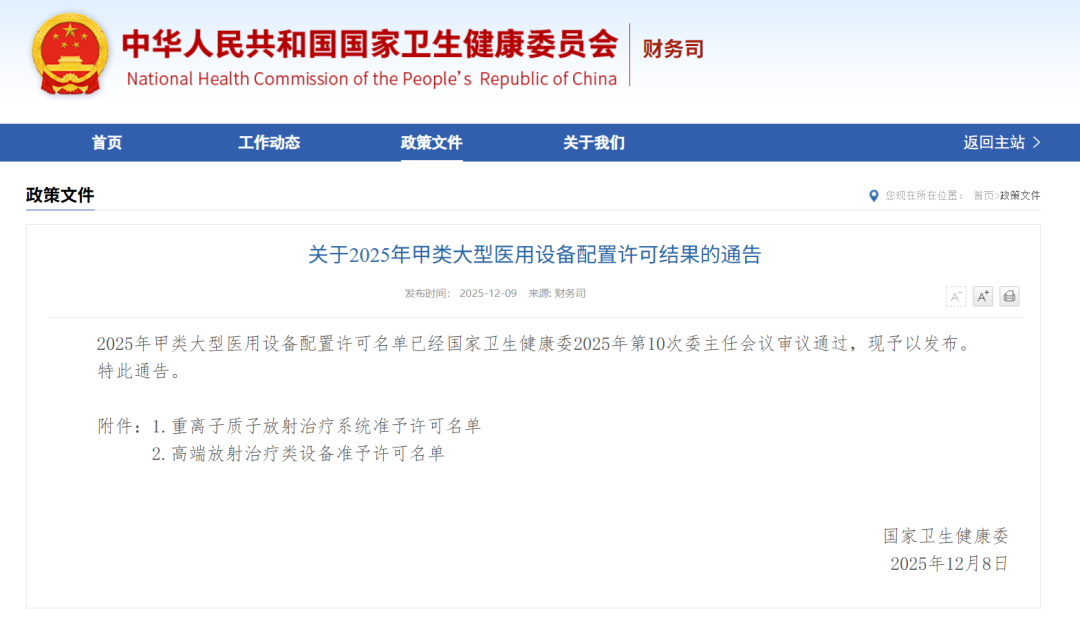
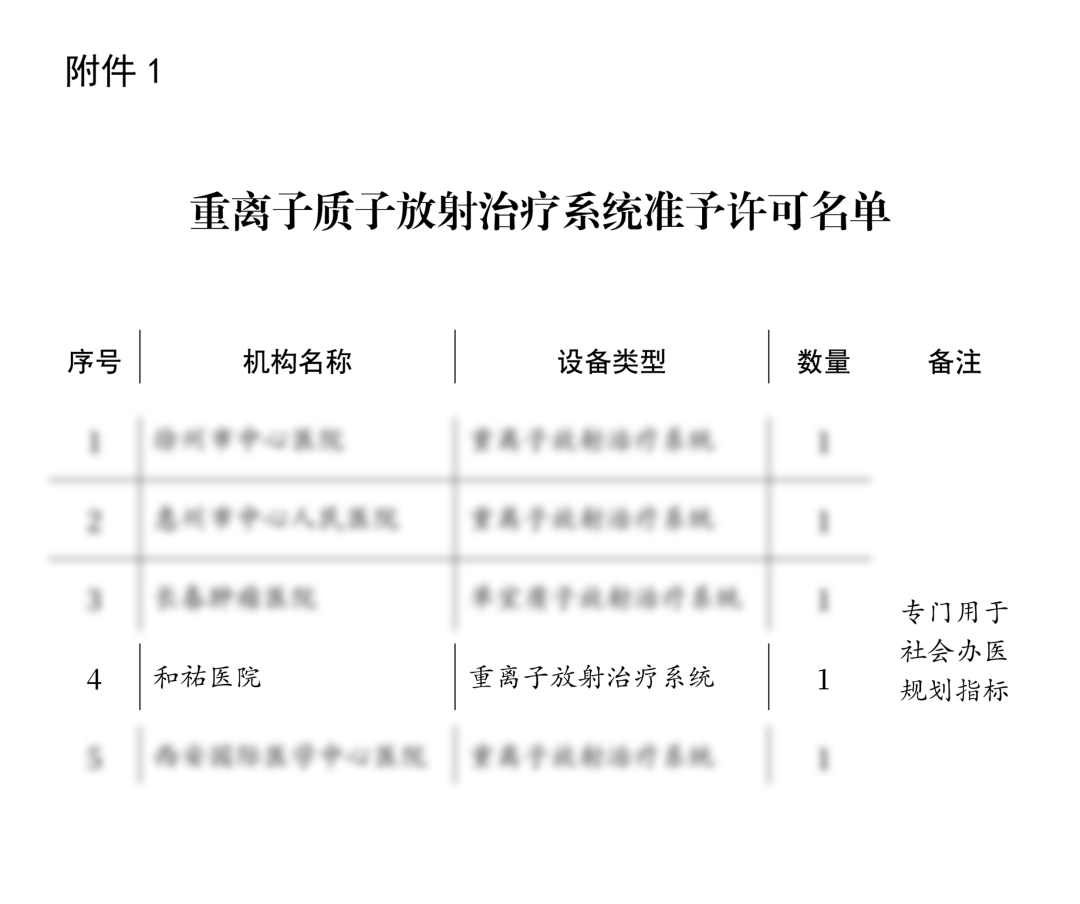
The configuration management of large medical equipment, especially Class A devices such as proton/heavy ion radiotherapy systems, is a crucial policy tool for the state to optimize the layout of medical resources and guide high-quality development in the industry. According to the "14th Five-Year Plan for Large Medical Equipment Configuration" issued by the National Health Commission, its core principles lie in "People-Centered, Promoting Development" and "Balanced Layout, Expanding and Sinking Resources," aiming to promote the scientific and rational allocation of high-quality medical resources, ultimately enhancing the accessibility and equity of medical services.
Embracing the License, Striving for Excellence: The Future Practice of Heyou Proton and Heavy Ion Center
With a total investment exceeding RMB 2 billion, the Heyou Proton and Heavy Ion Center has introduced the world-leading Hitachi integrated proton and heavy ion therapy system. Based on compact synchrotron accelerator technology, this system achieves a perfect integration of proton and heavy ion "multi-particle beams" and possesses several internationally advanced technical features:
Full-Coverage Irradiation Technology: Equipped with a proton 360° rotating gantry and a carbon ion multi-angle fixed beam "full-coverage" irradiation system, flexibly adapting to the demands of precise treatment.
Precise Energy Level Adjustment: Relying on the fine energy regulation of the synchrotron accelerator, it achieves precise conformation of beam range and dose distribution, enabling "sculpting"-like high-precision irradiation.
High-Precision Dose Algorithm: Employs an advanced dose calculation engine based on the Monte Carlo method, significantly enhancing the accuracy of dose calculation in complex scenarios.
Precision Image Guidance System: The treatment room utilizes cone-beam CT (CBCT) or in-room CT 3D image guidance to achieve high-precision verification and correction of the irradiation site.
Led by an Authoritative Team, Building a Solid Clinical and Talent Foundation
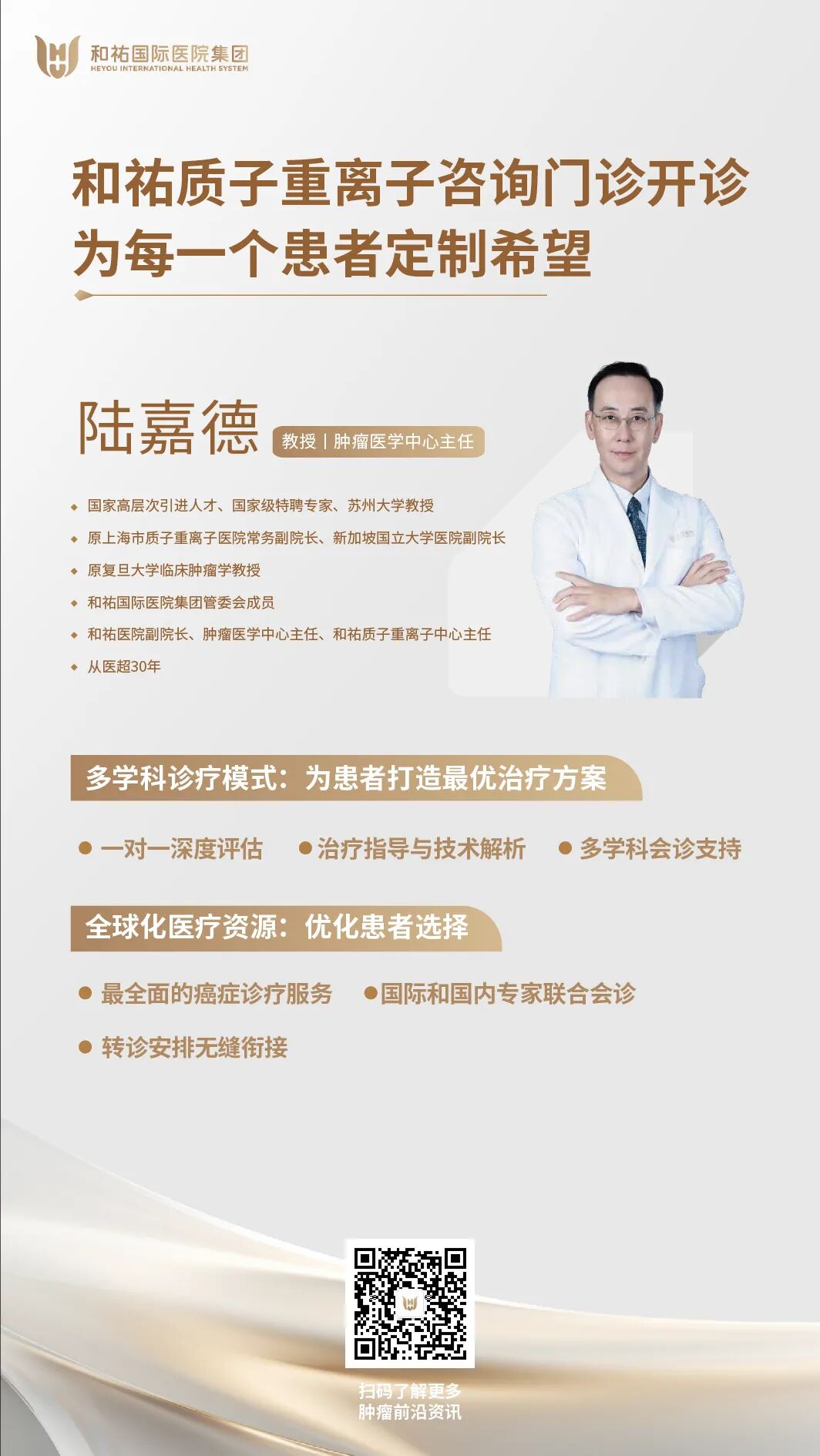
Under Professor Lu's leadership, the center has assembled a professional team including radiation oncologists, medical physicists, and radiation therapists. Many core members come from top domestic institutions such as Sun Yat-sen University Cancer Center and Fudan University Shanghai Cancer Center, possessing extensive clinical experience in particle therapy. The team has also engaged international experts from the University of Miami and the New York Proton Center as project advisors to ensure the technology remains at the international forefront.
Proton and heavy ion therapy is internationally recognized as a "cancer-fighting weapon" in the field of radiotherapy, with a wide range of indications covering almost all solid tumors. It is particularly advantageous for nasopharyngeal carcinoma and lung cancer, which are prevalent in the Guangdong region, as well as for skull base tumors, prostate cancer, liver cancer, breast cancer, and pediatric tumors that are difficult to operate on due to their proximity to vital organs, demonstrating its precision and low toxicity.
Scientific Research Collaboration and Innovation Development

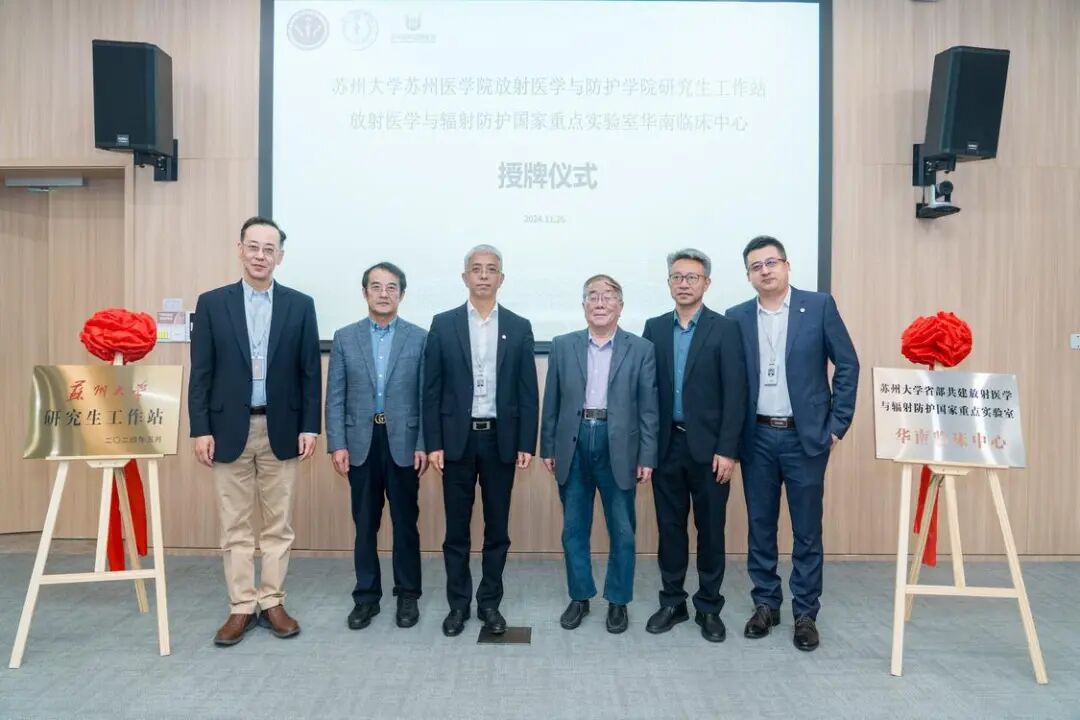
Obtaining the configuration license is a key milestone for the project. Next, the Heyou Proton and Heavy Ion Center will strictly adhere to national regulatory requirements and steadily advance subsequent work according to the established roadmap. It is expected that equipment commissioning and clinical validation will be completed in 2026.
Embark on a Cancer Journey Where Science Meets Compassion!
Empowering Scientific Diagnosis and Treatment with Technology, Warming Lives with a Human Touch
Follow us to make the fight against cancer more powerful!


