Ten Years After a Leukemia Diagnosis: How Relapse, CAR-T Therapy and a Transplant Carried One Young Patient Back to Life
-

-
 2026-10-20
-




At the age of 12, Tiantian was diagnosed with acute B-cell lymphoblastic leukemia. What followed — chemotherapy, a relapse, CAR-T therapy, a hematopoietic stem cell transplant, and years of careful recovery — became a difficult but hopeful journey that has now spanned a decade.
For families facing leukemia, the hardest part is often not the first round of treatment, but what happens when the disease returns. As Professor Limin Li’s team often explains, what ultimately shapes the outcome is not only whether the first treatment goes smoothly, but whether the next real opportunity can be recognized and seized in time when the disease relapses and standard options run low.
Tiantian’s story is exactly such a race against time.
When he was 12, just after graduating from primary school, Tiantian was diagnosed with acute B-cell lymphoblastic leukemia. No one could have predicted then how much this disease would ask of one child and his family: chemotherapy, relapse, CAR-T therapy, a stem cell transplant, and years of recovery management. Ten years on, those terrifying early days have settled into an ordinary, precious daily life. Looking back, what mattered most was not any single treatment “taking effect,” but having a team that, at every critical turning point, judged the direction, fought for the window of opportunity, connected one treatment to the next, and managed the risks along the way.

From “just a cold” to leukemia: an abrupt change of course
At first, Tiantian only had a low-grade fever, fatigue, and a poor appetite. His family assumed it was an ordinary cold. After a few tests, the diagnosis they received instead was acute leukemia.
He soon began standard chemotherapy. For a 12-year-old, the nausea, vomiting, hair loss, weakness, and the endless cycle of blood draws and bone marrow procedures were hard enough to bear. His family, too, carried enormous emotional weight through every round of treatment and every follow-up visit.
Then came a heavier blow.
After several courses of treatment, Tiantian’s disease relapsed.
For a leukemia family, the word “relapse” often weighs even more than the first diagnosis. It means the earlier treatment did not hold the disease in check, that what follows will be more complex and risky, and that the paths ahead are fewer. What patients and families need most at that moment is not simply “another treatment to try,” but an experienced team that can quickly answer: What is the next goal? Is there still a chance to bring the disease back under control? Can time be won for the treatment that matters most?
After relapse, the priority is seizing the next opportunity
Treatment after a leukemia relapse is a race against the pace of the disease. Hesitate over the direction, and a patient may lose the conditions needed to enter the next stage of therapy.
When Tiantian relapsed, the team led by Professor Limin Li did not simply frame the problem as “another round of treatment to see.” They promptly re-evaluated the disease and focused on one essential point: bring the relapsed leukemia back under control as fully as possible first, so that the more decisive treatment ahead could become possible.
That judgment mattered enormously. For patients with relapsed or refractory leukemia, what truly changes the long-term outcome is often not a short-lived remission itself, but whether that remission can be converted into the next treatment opportunity — above all, a timely bridge to a hematopoietic stem cell transplant, which carries the potential for long-term disease control.
CAR-T therapy: reopening a door after chemotherapy had failed
In Tiantian’s course of treatment, CAR-T therapy became a critical step after the relapse.
By then, standard chemotherapy could no longer press the disease back into a safe range. Continuing to repeat the same path would only narrow the options ahead. After thorough evaluation and discussion, the team led by Professor Limin Li secured for Tiantian the opportunity to receive CAR-T therapy.
CAR-T therapy was not an easy step. During treatment, Tiantian experienced serious treatment-related effects, including high fever and periods of unconsciousness. For his family, those days felt like racing against time itself. The medical team monitored his condition continuously and managed the treatment-related risks as they arose, helping him through the most dangerous phase.
Afterwards, the disease came back under control: the leukemia cells in his bone marrow fell markedly, and minimal residual disease testing turned negative, as reported by the treating team.
The real meaning of this step was not that “the treatment was over.” It was that a door had reopened: after chemotherapy had failed and the disease had returned, Tiantian once again had the chance to keep moving forward.
Stem cell transplantation: turning the chance into the possibility of long-term survival
Many people assume that once the earlier treatment works, the most dangerous part is over. For leukemia — especially after a relapse — what shapes the long-term outcome is often whether the next treatment can be connected in time.
In Tiantian’s case, CAR-T therapy restored a remission; the hematopoietic stem cell transplant that followed was what turned this hard-won opportunity into the possibility of long-term survival.
Neither step could have been skipped.
CAR-T bought the window; the transplant consolidated the gain. What truly tests a team is not whether it can operate a particular technology, but whether it can make sound, systematic judgments at the critical junctures: When should the next stage begin? Is the patient’s condition ready? How can complications be reduced? And how should care be managed over the long term after transplant — balancing follow-up, infection prevention, medication adjustments, and recovery support?
These may look like details of daily care. Very often, they are precisely what decides whether a patient can truly make it through.
The long management: the hardest part is not one day, but a very long road
For patients with leukemia, the hardest part of treatment is rarely a single hospitalization or a single emergency. It is the long, repeated, uncertain recovery that follows.
During subsequent treatment and recovery, Tiantian faced intestinal symptoms, skin problems, long-term medication, and repeated follow-up visits. For a child, this was not a short battle but a long season of living with pain, fear, waiting, and gradual recovery.
It was precisely in this phase that the value of an experienced team became most visible.
Professor Li’s team continued to assess his condition, adjust the plan in time, and manage the risk of complications step by step, helping Tiantian through the most fragile and volatile stage. Little by little, he stabilized, was discharged home to recover, and eventually returned to school — picking up, piece by piece, the life the disease had scattered.
Today, a full decade has passed since that fight for his life.
Ten years later, he still remembers the people who held his hand
Ten years is long enough for a 12-year-old to grow into a young adult.
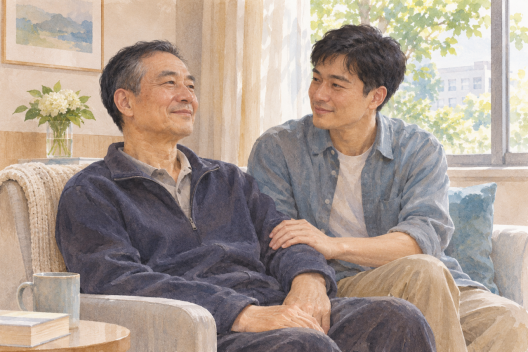
Tiantian is no longer the child who had to be sheltered behind the adults. He has returned to the track of ordinary life, and he still remembers the physicians and nurses who stood beside him through the hardest days.
For Tiantian, Professor Li was not only the doctor who treated him, but someone who witnessed a turning point in his life. Those years remain the most dangerous — and the warmest — memory of his life.
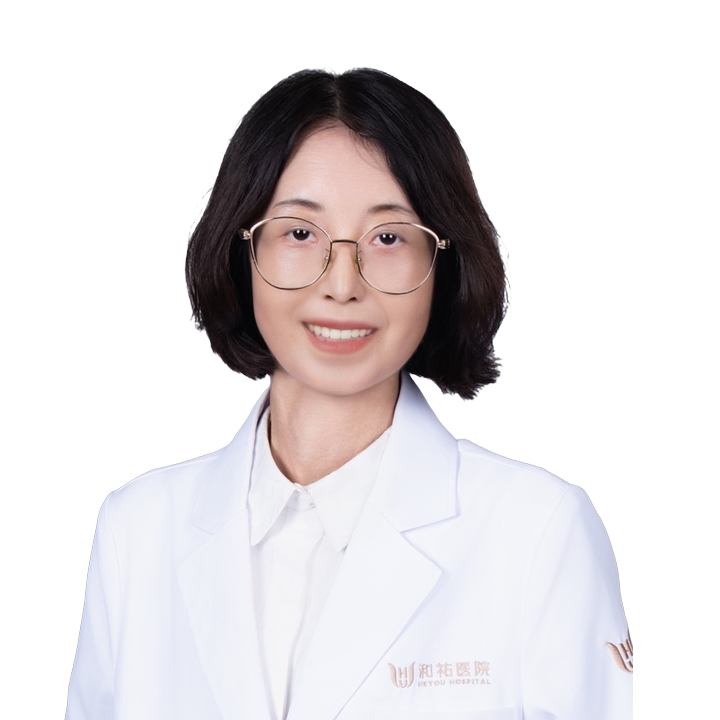
Today, Professor Limin Li has joined the Hematology Department at Heyou, leading a team that provides care for leukemia, hematopoietic stem cell transplantation, and relapsed or refractory hematologic malignancies. For more patients and families, this means access to systematic, continuous, and specialized support when facing relapse, refractory disease, and complex treatment decisions.
Relapsed and refractory blood cancers call for whole-course, systematic management
Leukemia treatment has entered an era of precision, integration, and long-term management. For relapsed and refractory patients in particular, treatment is no longer a matter of “one drug” or “one procedure,” but of continuous judgment and connection across every stage.
From chemotherapy to CAR-T therapy, from remission to stem cell transplantation, from the management of post-transplant complications to long-term follow-up and recovery — every link can shape the final outcome. What matters most is choosing the right path for the right patient at the right time, and holding every critical juncture steady.
This is the value the Hematology Department at Heyou hopes to offer: not isolated treatments, but integrated care that follows the patient through the entire course of disease — standardized evaluation, comprehensive treatment, transplant coordination, complication management, and long-term follow-up.
In closing
So-called miracles are often built from one right decision after another
Many people would call Tiantian’s story a “miracle.”
But come close to any leukemia patient and family, and you will see that miracles rarely arrive suddenly. They look more like this: someone who judges the direction in time when the disease is at its fiercest; someone who watches over the risks when treatment is hardest; someone who connects the last step to the next when the opportunity is most precious; and someone who stays beside the patient through the long recovery, until life is pieced back together.
A drug can change a stage of the illness; a mature team and a continuous system of care are what can hold up a sturdier line of defense over the long fight.
Tiantian’s story does not mean that every patient will have the same outcome. But it reminds us: even after a relapse, leukemia is not without hope. What matters is early evaluation, sound decisions, seizing the window of opportunity — and, with the support of a professional team, fighting for every chance to keep moving forward.
The Doctor in This Case : Professor Limin Li
Chief Physician and Director of Hematology, Heyou Hospital
More than 30 years in hematology. Professor Li holds a medical doctorate and specializes in benign and malignant blood disorders, particularly relapsed or refractory leukemia. She has extensive experience in stem cell transplantation and cellular immunotherapy.
Clinical focus: leukemia, lymphoma, multiple myeloma, myelodysplastic syndromes, aplastic anemia and thrombocytopenia; childhood leukemia and severe aplastic anemia.

Scan to follow Heyou Cancer Center and learn more about cancer care.
Heyou Cancer Center
Science in treatment. Humanity in care.