A nonsurgical path to lung cancer treatment for two patients in their 80s
-

-
 2026-10-20
-

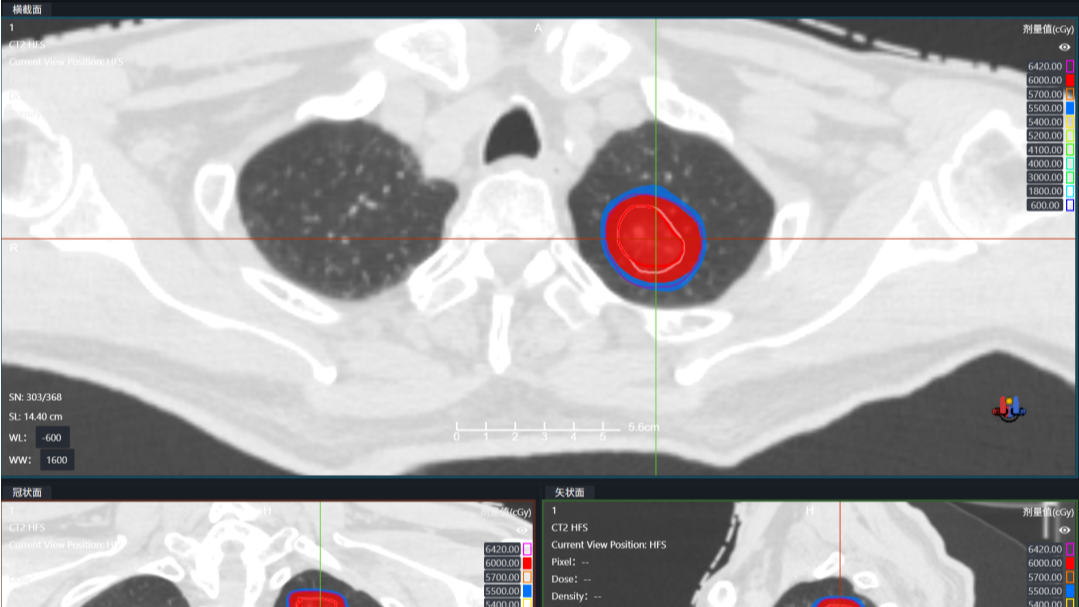


With a personalized radiation treatment plan, two older adults whose health made surgery too risky had encouraging findings at their first follow-up visit.
For two patients in their 80s, a lung cancer diagnosis came with a difficult question: What treatment options were available when surgery was not a safe choice? Their age and complex underlying health conditions made an operation too risky.
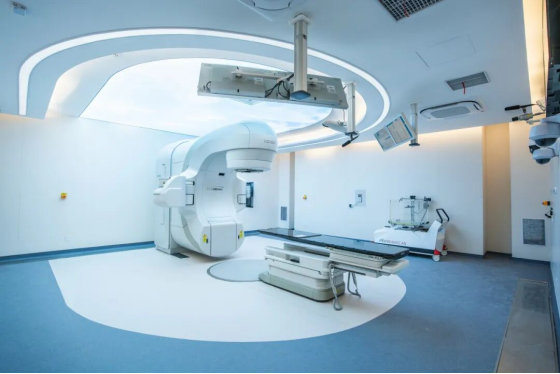
At Heyou Cancer Center, specialists worked together to identify a treatment approach suited to each patient. They recommended stereotactic body radiation therapy (SBRT), with four-dimensional CT (4DCT) used to help plan treatment around the movement of the tumor during breathing.
Choosing a plan together
The multidisciplinary team brought together specialists in thoracic surgery, radiation oncology, medical oncology, diagnostic imaging, and respiratory medicine. They reviewed each patient’s overall health, cancer stage, and imaging before agreeing on an individualized treatment plan.
For selected patients with early-stage non-small cell lung cancer who cannot undergo surgery, SBRT is an established treatment option delivered with curative intent. For these two patients, the team chose a nonsurgical approach using SBRT and 4DCT-based planning.
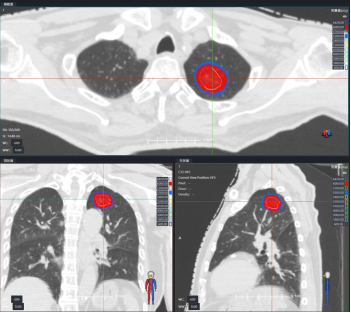
Radiotherapy planning images from the case.
UNDERSTANDING THE TREATMENT
Focused radiation without an operation
SBRT delivers high doses of radiation to a precisely defined tumor target from multiple directions. Treatment planning aims to limit radiation exposure to nearby healthy lung tissue, the heart, and other important structures.
Treatment is usually delivered in a small number of sessions, often one to five. The schedule depends on the tumor and the treatment plan. Unlike surgery, SBRT does not require an incision, and the radiation itself is generally painless. Treatment visits also include positioning and imaging, so their length can vary.
Planning for a tumor that moves with breathing
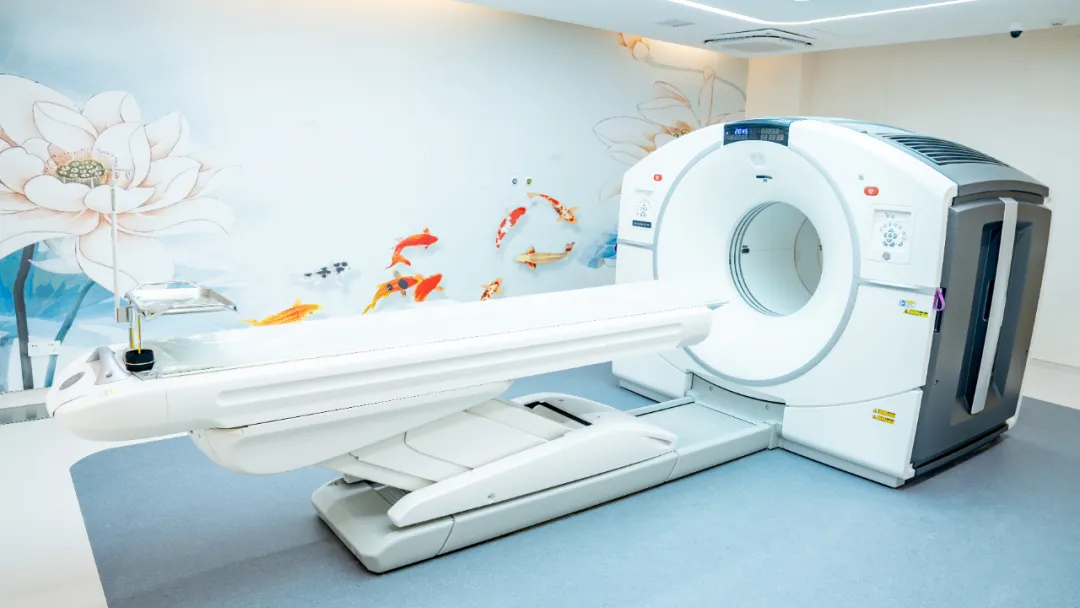
A lung tumor can change position as a person breathes. During treatment planning, 4DCT captures images at different points in the breathing cycle, helping the team assess the tumor’s position, shape, and range of movement.
Doctors use this information to define the internal target volume—the area that accounts for the tumor’s movement—and plan radiation coverage while limiting exposure to healthy tissue. Image guidance at each treatment session helps verify positioning and support accurate delivery.
Encouraging findings at the first follow-up
After treatment, both patients returned for their scheduled first follow-up. According to the treating team, imaging showed that the lung lesions had decreased in size, and no significant side effects were reported at that visit. Both patients had tolerated treatment well.
These early findings were encouraging for the patients and their families. Follow-up remains important to assess the treatment response over time and monitor for side effects.
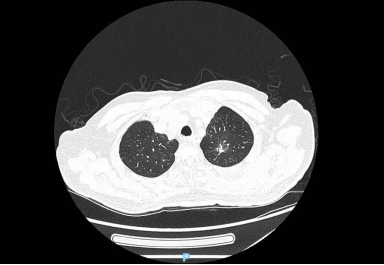
CT image from the one-month follow-up examination, reported by the treating team to show a treatment response.
THE PEOPLE BEHIND THE CARE
Matching treatment to the individual
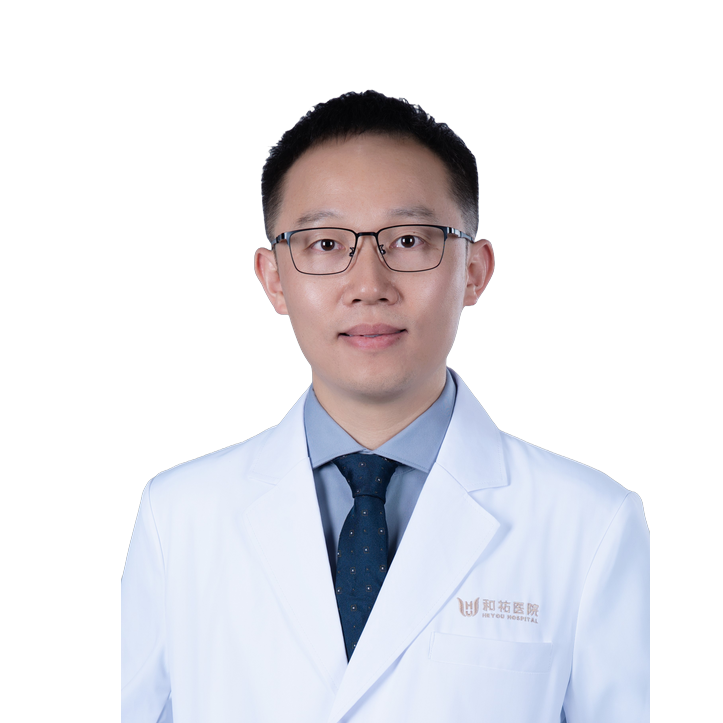
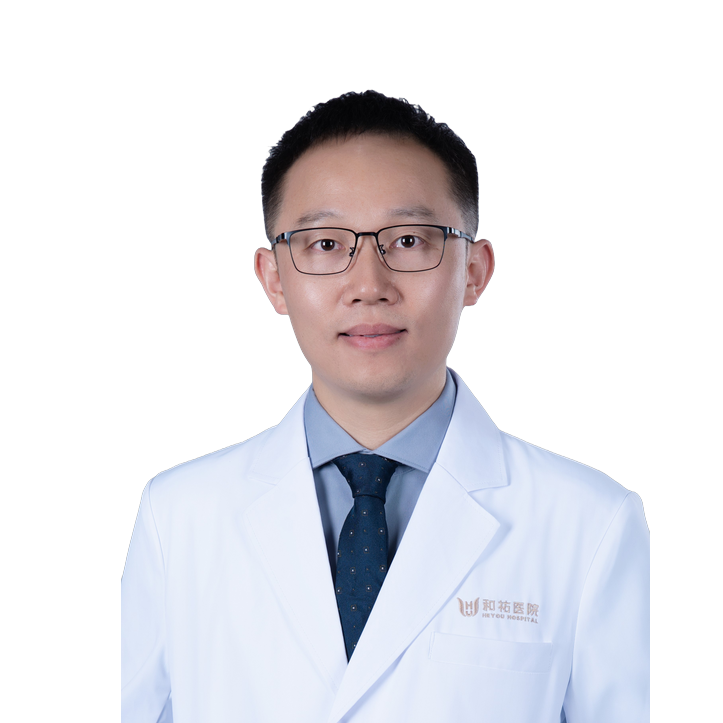
Dr. Tan Zhibo, the patients’ treating physician and an associate chief physician, explains that SBRT can offer a treatment option for selected patients with early-stage non-small cell lung cancer who cannot tolerate surgery or choose not to undergo it.
Combining SBRT with 4DCT-based planning, appropriate respiratory motion management, and image guidance helps the team account for tumor movement and deliver focused treatment. The choice between surgery and SBRT depends on the individual patient’s health, cancer characteristics, and preferences, considered through multidisciplinary assessment.
Research to support treatment decisions
Professor Lu Jiade, Executive Vice President of Heyou Hospital, and Dr. Tan are also working with universities and research institutions in China on approaches that use artificial intelligence and large datasets to support decisions between surgery and SBRT for early-stage non-small cell lung cancer. The aim is to better identify which treatment may be appropriate for each patient.
Care that looks beyond age
These two patients’ experiences illustrate the value of considering treatment options in the context of each person’s health and needs. At Heyou Cancer Center, multidisciplinary care brings together specialist expertise and individualized planning to support patients through treatment and follow-up.
The Doctor in this Case: Dr. Tan Zhibo
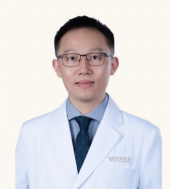
Associate Chief Physician and Master’s Supervisor
A visiting scholar at University College London, Dr. Tan previously worked at Peking University Shenzhen Hospital. His clinical focus includes precision radiotherapy and multidisciplinary care for breast, lung, rectal, and prostate cancers.
His treatment expertise includes intensity-modulated radiation therapy (IMRT), volumetric modulated arc therapy (VMAT), image-guided radiation therapy (IGRT), stereotactic body radiation therapy (SBRT), and adaptive radiation therapy (ART). He also uses respiratory motion management approaches, including real-time tracking, optical surface monitoring, and respiratory gating.

Scan to follow Heyou Cancer Center and learn more about cancer care.
Heyou Cancer Center
Science in treatment. Humanity in care.