


[Patient Story] Pediatric Hernia Is Not "Gas" - The Intermittent Bulge Requires Attention!
-
News

-
2023-12-05


Some parents, while caring for their children, have encountered this startling situation—yesterday they clearly saw swelling in the child's scrotum, and today it is gone? Or, it was not swollen a moment ago, and suddenly it bulges again? Not long ago, Ms. Chen (pseudonym), a resident of Beijiao, faced the same concern.
Patient Story Background
Ms. Chen's child, Lele (pseudonym), had lower abdominal swelling since birth. At that time, the doctor at the birthplace advised observation to see if it would resolve on its own, so no treatment was given. Until six months ago, Lele's groin and scrotal swelling became more severe, often accompanied by a dragging sensation. Unfortunately, the skin also became allergic. So Ms. Chen brought the child to HeYou Meihe Hospital for consultation. "I take care of two preschool children alone, which is really exhausting. I urgently hope to solve my child's health problems close to home."
After learning about Lele's condition, doctors from our hospital's Dermatology, Pediatrics, and Pediatric Surgery departments examined Lele respectively. Regarding Ms. Chen's primary concern about the groin and scrotal swelling, Dr. Yang Yang from Pediatric Surgery conducted a thorough physical examination and related tests. Considering the diagnosis of spermatic cord hydrocele combined with hernia, he recommended that the family proceed with surgical treatment as early as possible.
"Generally speaking, pediatric hydrocele/hernia is caused by a congenital failure of the processus vaginalis or internal ring to close. After the age of 6 months, spontaneous healing is essentially impossible. Surgical treatment includes traditional open surgery and minimally invasive approaches. Minimally invasive surgery is undoubtedly more suitable for the child's physiological condition and has become the mainstream recommended approach." Dr. Yang Yang stated.
"The Professionalism and Meticulousness of the Medical Team Were a Reassuring Pill"
After the initial communication with Dr. Yang Yang, Ms. Chen understood the surgical treatment options for pediatric hydrocele/hernia, but still had some doubts. "A child so young needs general anesthesia and puncture. Also, if the hospital stay is too long, I cannot take care of the other child. I was very worried."
To alleviate Ms. Chen's concerns, Dr. Yang Yang carefully explained the surgical plan, detailing the maturity of laparoscopic minimally invasive surgery for pediatric hydrocele/hernia, as well as its characteristics of minimal bleeding and rapid recovery. Ms. Chen also personally visited the ward to observe the surgery and hospitalization conditions. "The deeper the communication, the more I felt the professionalism and warmth of the medical staff. Only then did I feel reassured."
After the consultation, Ms. Chen immediately scheduled the surgery for the next day. Preoperatively, the nurse provided Lele with thorough education, dietary guidance, and preoperative preparation. On the morning of the surgery, the minimally invasive laparoscopic procedure was successfully completed under the direction of Dr. Yang Yang, following the ERAS (Enhanced Recovery After Surgery) principles. The surgery left only a 5mm small incision on the patient's abdominal wall. The anesthesia team, led by Director Luo Furong, provided full support, continuously monitoring the child's respiration, heart rate, and blood oxygen. With the seamless cooperation of the medical team, the surgery was completed quickly. Lele smiled as he was wheeled out of the operating room, saying, "It didn't hurt at all. The doctor uncle is amazing!"
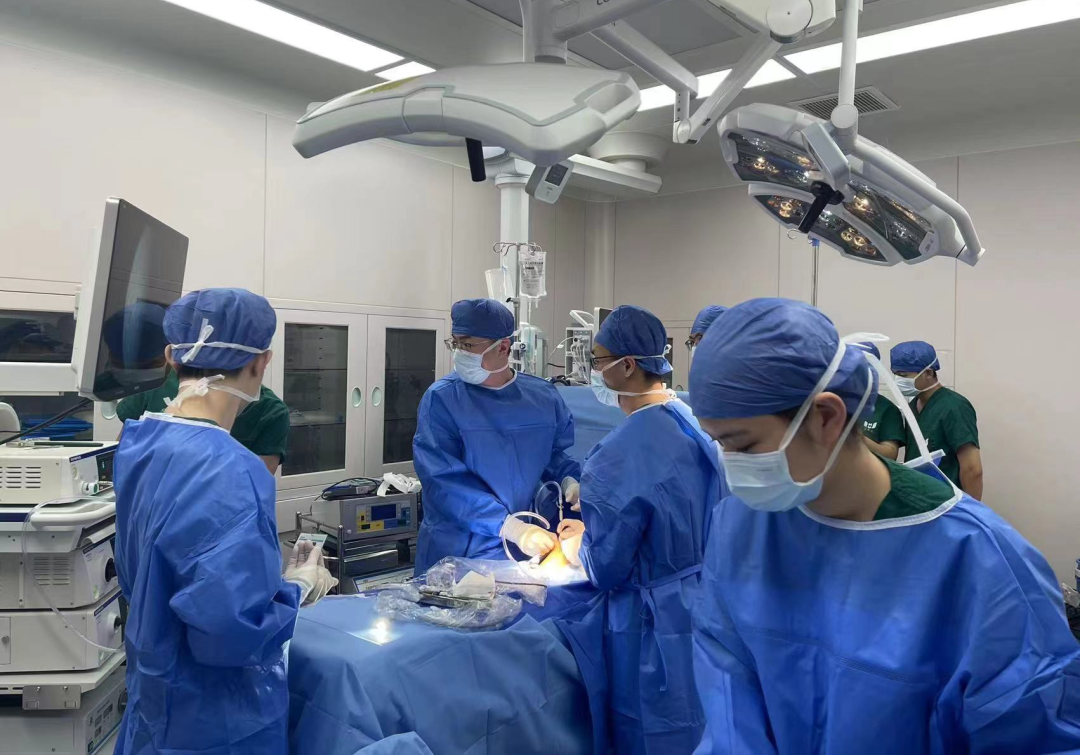
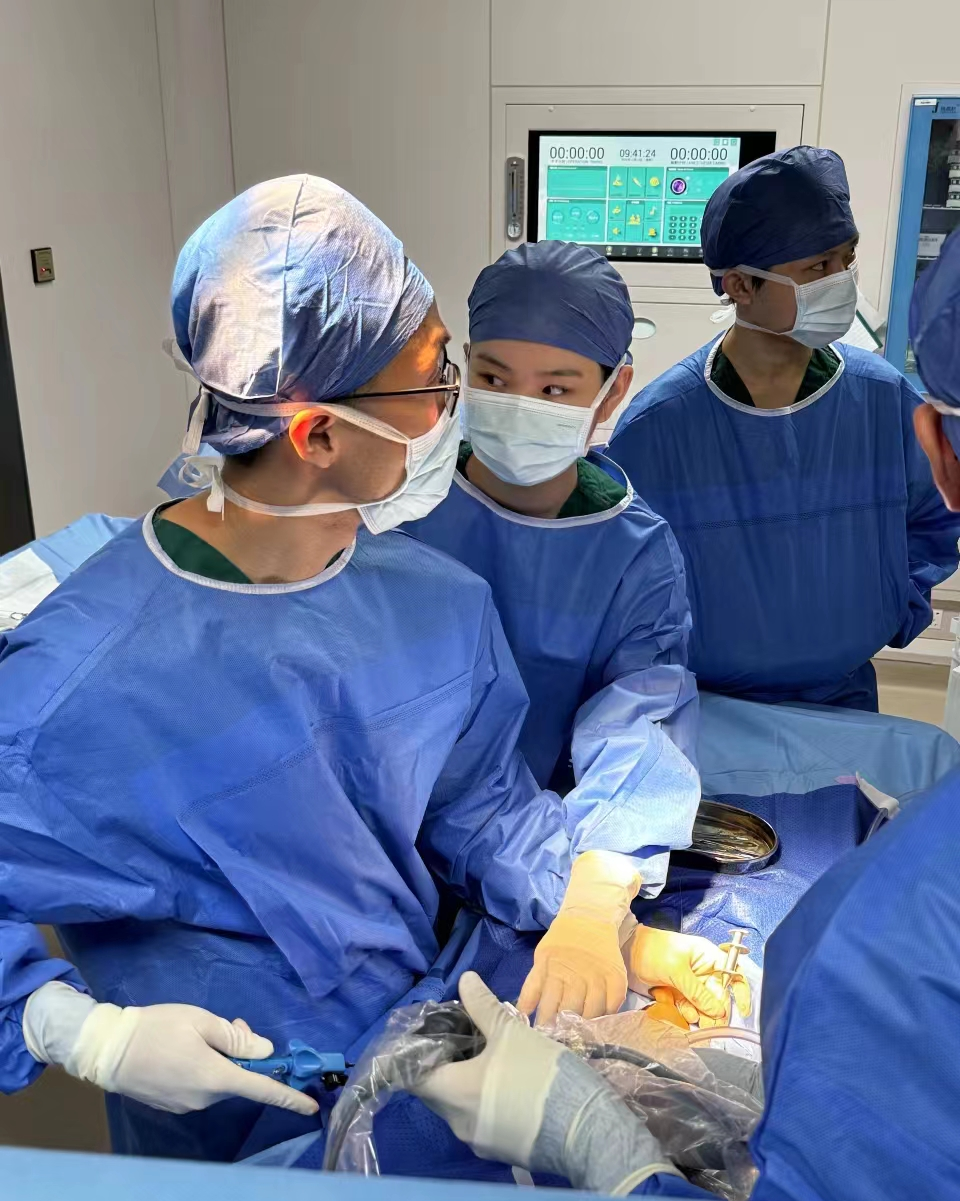
After the child was settled in the ward for recovery, Dr. Yang Yang came to check on him. When pressing on the wound, the child said it did not hurt at all, which surprised Ms. Chen: "The child is usually very afraid of pain. I was prepared to comfort him after the surgery, but I didn't expect him to be able to talk and smile."
Two hours after surgery, Lele was able to eat. At 5:00 PM that same day, after a comprehensive postoperative assessment by Dr. Yang Yang and considering Ms. Chen's wishes, the hospital discharged Lele.
A few days later, during the postoperative follow-up visit, Ms. Chen presented a pennant and a thank-you letter to Dr. Yang Yang, the surgical team, and the pediatric team. Ms. Chen expressed: "I didn't expect the problem that troubled us for five years to be resolved so quickly. When we were discharged, Dr. Yang Yang told me to contact him immediately if any issues arose, just like a family member's reminder. It was especially heartwarming." In Ms. Chen's view, the professionalism of the HeYou medical staff is trustworthy, and what is even more valuable is the attitude of all the medical staff. "The medical staff explained, educated, and reassured the parents repeatedly. They always smiled at the child, communicated gently, and showed compassion and benevolence, which made us feel very warm."
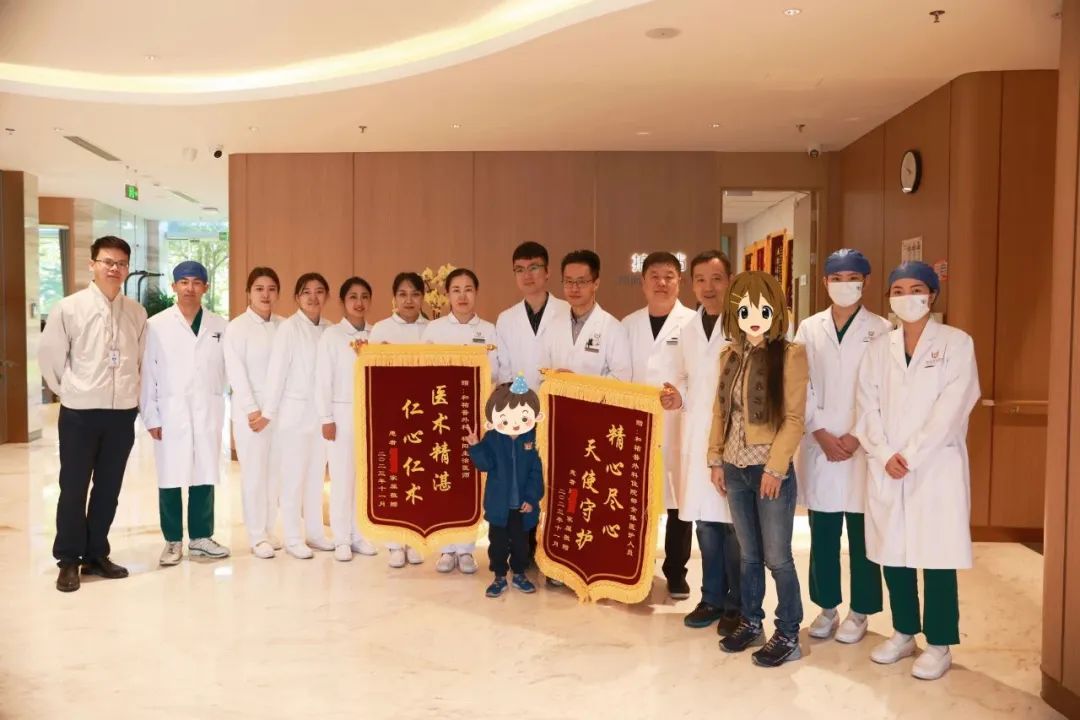
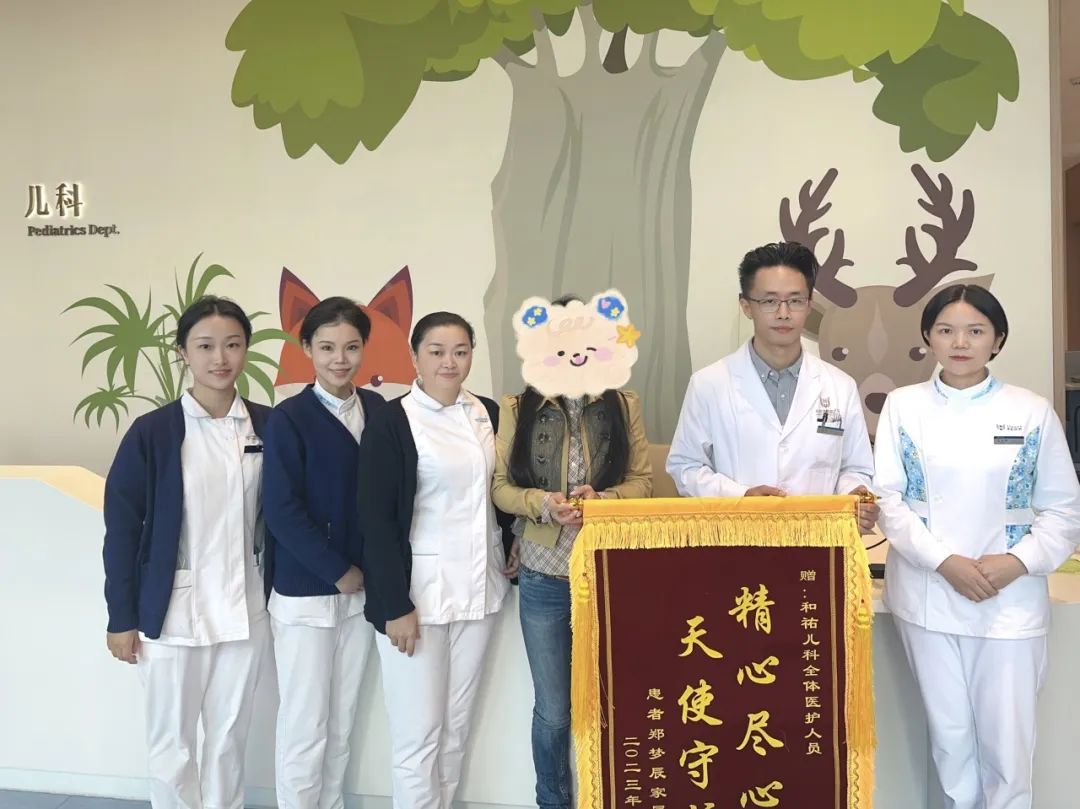
▲ The patient's family presented a pennant to the General Surgery, Pediatrics, and Anesthesiology Departments
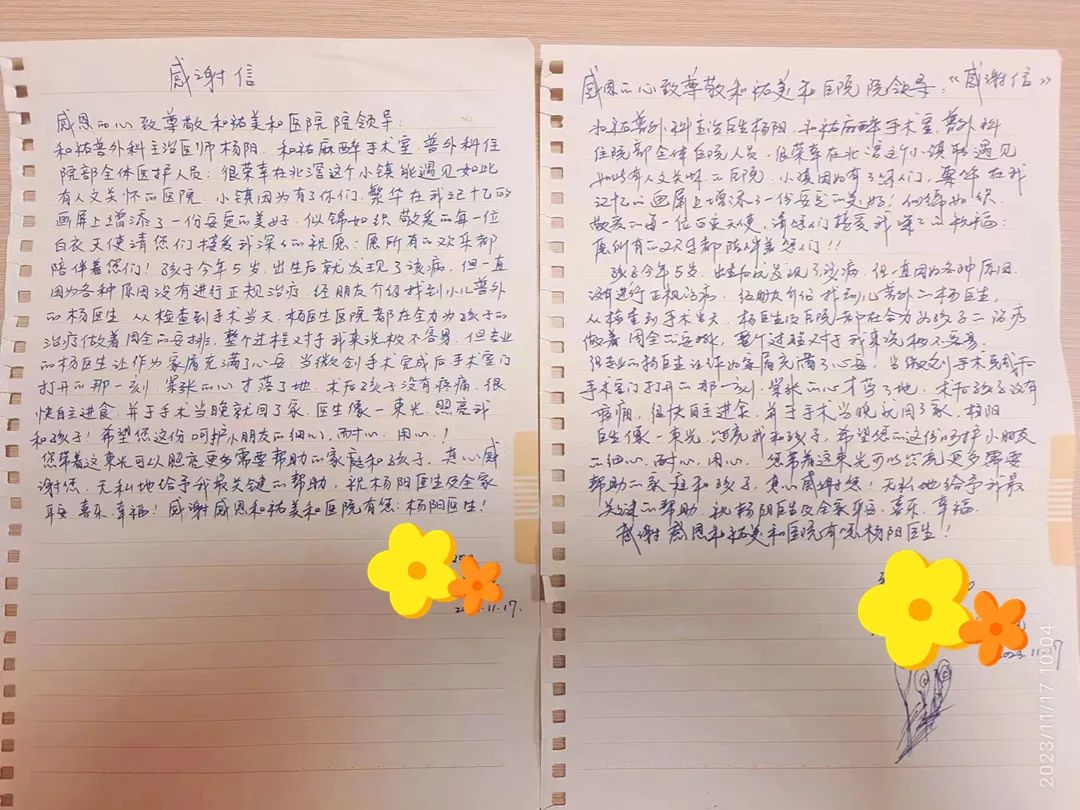
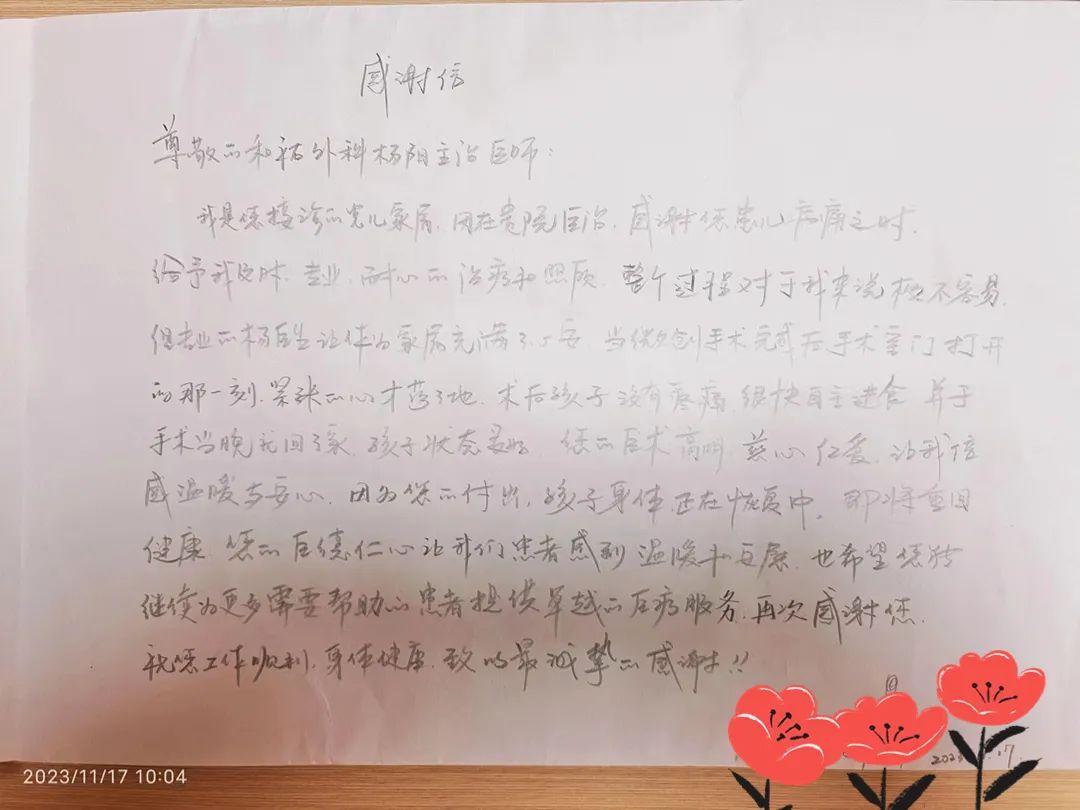
▲ The patient's family wrote two handwritten thank-you letters to express gratitude to the medical team.
Common Questions About Pediatric Hernia and Hydrocele
Indirect inguinal hernia is one of the common diseases in pediatric surgery. During the embryonic period, there is a channel between the abdomen and the groin, which normally closes in the last three months of pregnancy. If this channel does not close after birth, and abdominal contents (intestines, ovaries, fallopian tubes, omentum) descend through this channel into the groin or scrotum, it is called a hernia. If ascitic fluid accumulates in the groin or scrotum through this channel, it is called a hydrocele (in boys) or a Nuck cyst/round ligament cyst (in girls).


-

 Medical consultation
 -

 Customer Service
 -

 Contact


